
At a glance
-
Light
Bright, indirect to partial sun; needs strong light to thrive.
-
Water
Generous; keep soil consistently moist but never soggy.
-
Temperature
20–28 °C; dislikes cold or drafts.
-
Humidity
High (≥ 60%); loves steamy rooms.
Care difficulty
Moderate
Musa are vigorous growers but need regular attention to water and humidity. They reward you with fast growth and bold leaves if their needs are met. Best for plant lovers ready to commit to consistent care.
Detailed care instructions
-
Light
Banana plants need bright light to thrive. Place them near a south or west window with filtered sun, or give them several hours of morning or late-afternoon sun. Insufficient light leads to slow growth and small leaves.
-
Water
Musa are thirsty plants. Keep the soil evenly moist at all times, but avoid waterlogging.
- Water thoroughly until excess drains away.
- Use rainwater if possible; tap water is acceptable if not too hard.
- Reduce watering slightly in winter, but never let the soil fully dry out.
-
Humidity
Banana plants thrive in high humidity (≥ 60%). Too dry air causes crispy leaf edges.
- Pebble tray or humidifier are excellent options.
- Occasional misting with distilled water helps, but should not be the only solution.
- Bathrooms or kitchens are ideal locations.
-
Temperature
Keep between 20–28 °C. Musa dislike cold: never let temperatures fall below 15 °C. Avoid drafts from windows or doors.
-
Fertilizer
Feed every 2 weeks in spring and summer with a diluted, balanced liquid fertilizer. Pause feeding in autumn and winter.
-
Soil & Repotting
Use a rich, well-draining, peat-free houseplant mix with compost or perlite added.
- Repot annually in spring, as banana plants grow fast and fill their pots quickly.
- Always use pots with drainage holes.
Common problems & solutions
What you see: edges dry out and crisp.
Cause: low humidity or inconsistent watering.
Solution: raise humidity, water regularly.
Prevention: use a humidifier; never let soil dry completely.
What you see: older leaves yellow, starting at the bottom.
Cause: natural aging, or overwatering.
Solution: remove old leaves; adjust watering.
Prevention: monitor soil; water only when top layer starts drying.
What you see: new leaves emerge smaller than usual.
Cause: insufficient light or nutrients.
Solution: move to brighter spot; fertilize more consistently.
Prevention: provide strong light; maintain fertilization routine.
What you see: tiny spots, sticky residue, or webbing.
Solution (pet-safe): wipe leaves with damp cloth, rinse plant, or apply mild soap solution; isolate if needed.
Prevention: maintain humidity; inspect leaves weekly.
Pet safety: avoid chemical pesticides; let leaves dry fully before pets return.
Banana plants
-
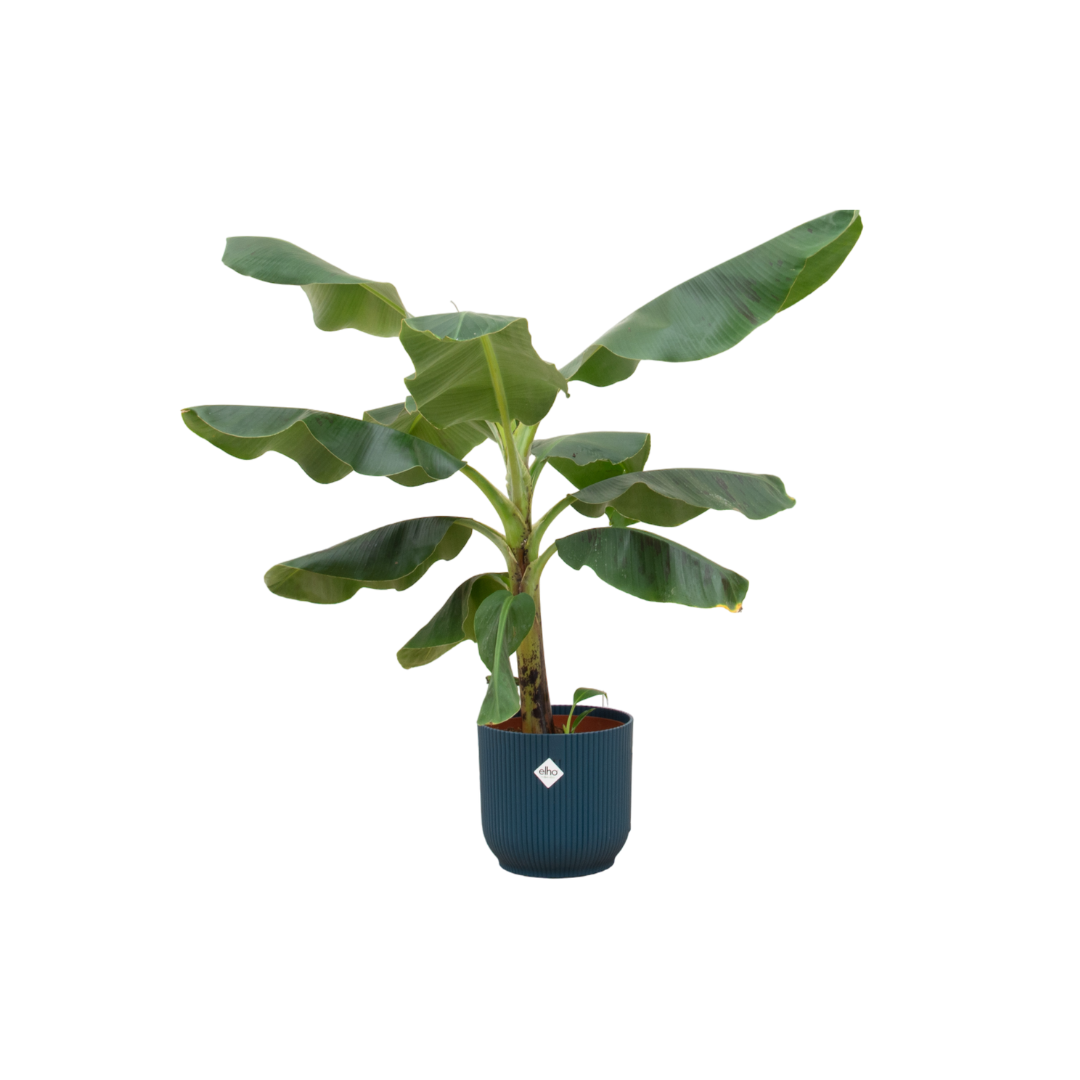
Banana tree (Musa) (M) + Decorative Pot (Blue)
Banana tree- Regular price
- €49,95
- Sale price
- €55,95
- Unit price
- per
- 100 centimeters
- 22 centimeters pot diameter
- Cat-safe
- Dog-safe
-
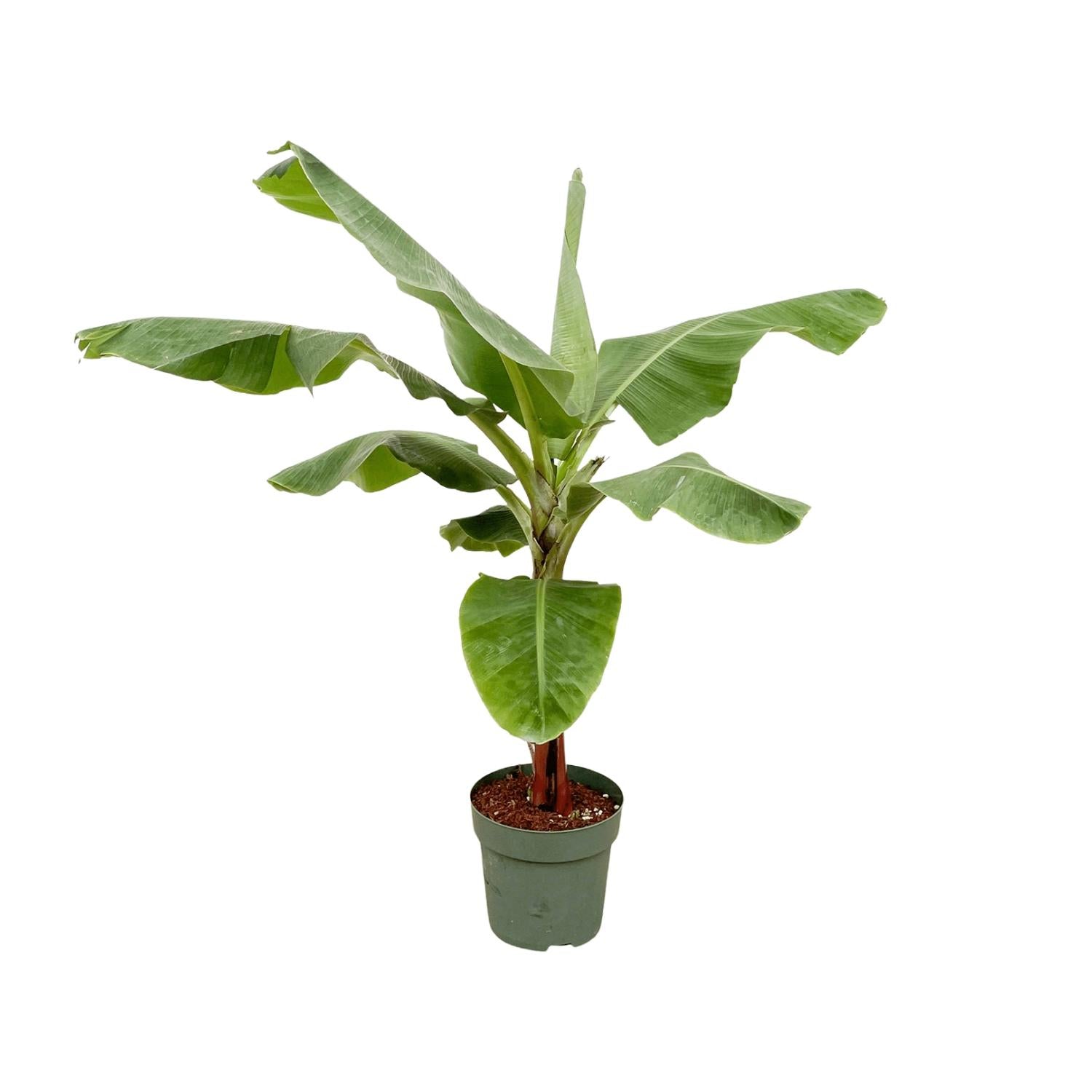
Banana tree (Musa) - Extra-Large
Banana tree- Regular price
- €99,95
- Unit price
- per
- 170 centimeters
- 30 centimeters pot diameter
- Cat-safe
- Dog-safe
-
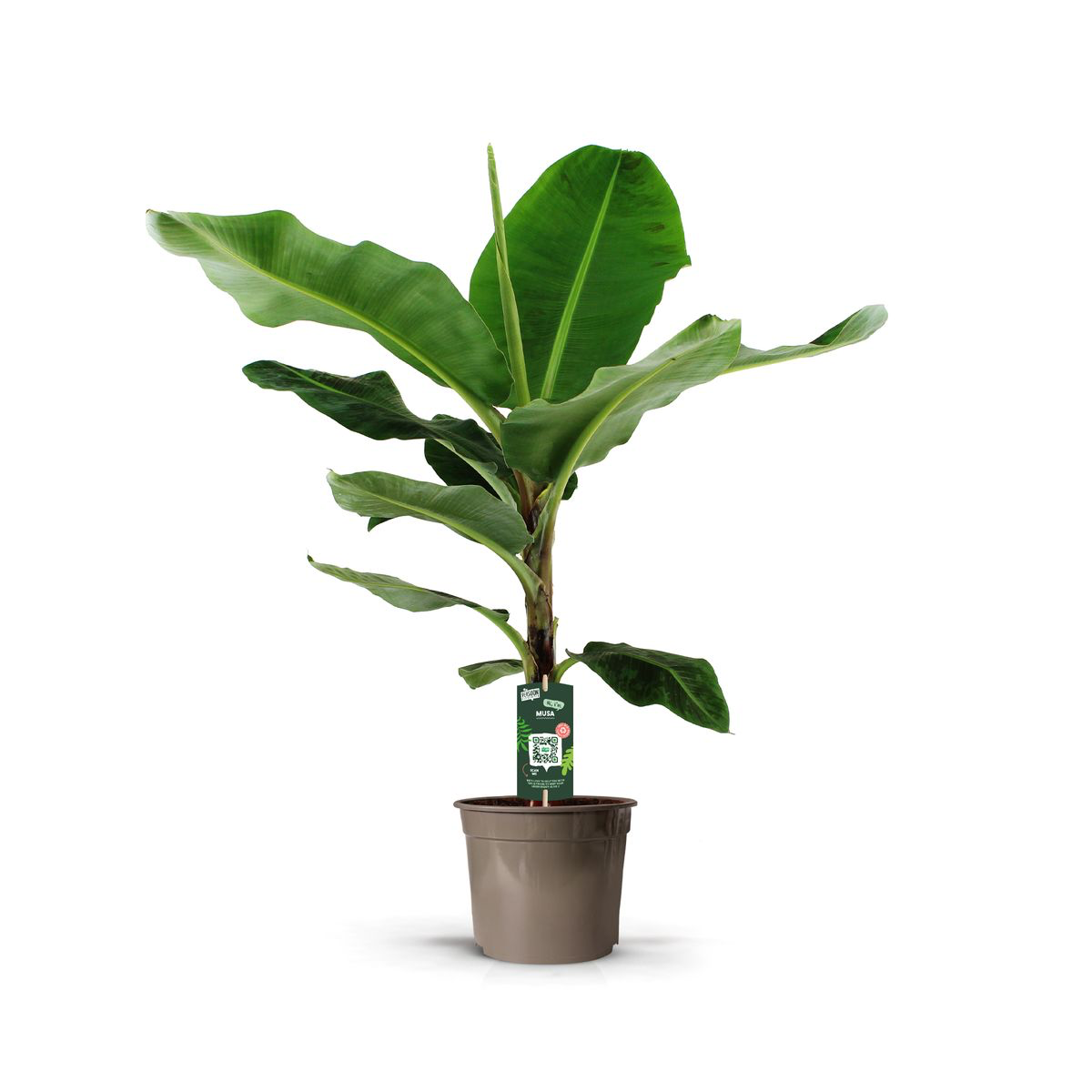
Banana tree (Musa) - Large
Banana tree- Regular price
- €54,95
- Unit price
- per
- 150 centimeters
- 27 centimeters pot diameter
- Cat-safe
- Dog-safe
-
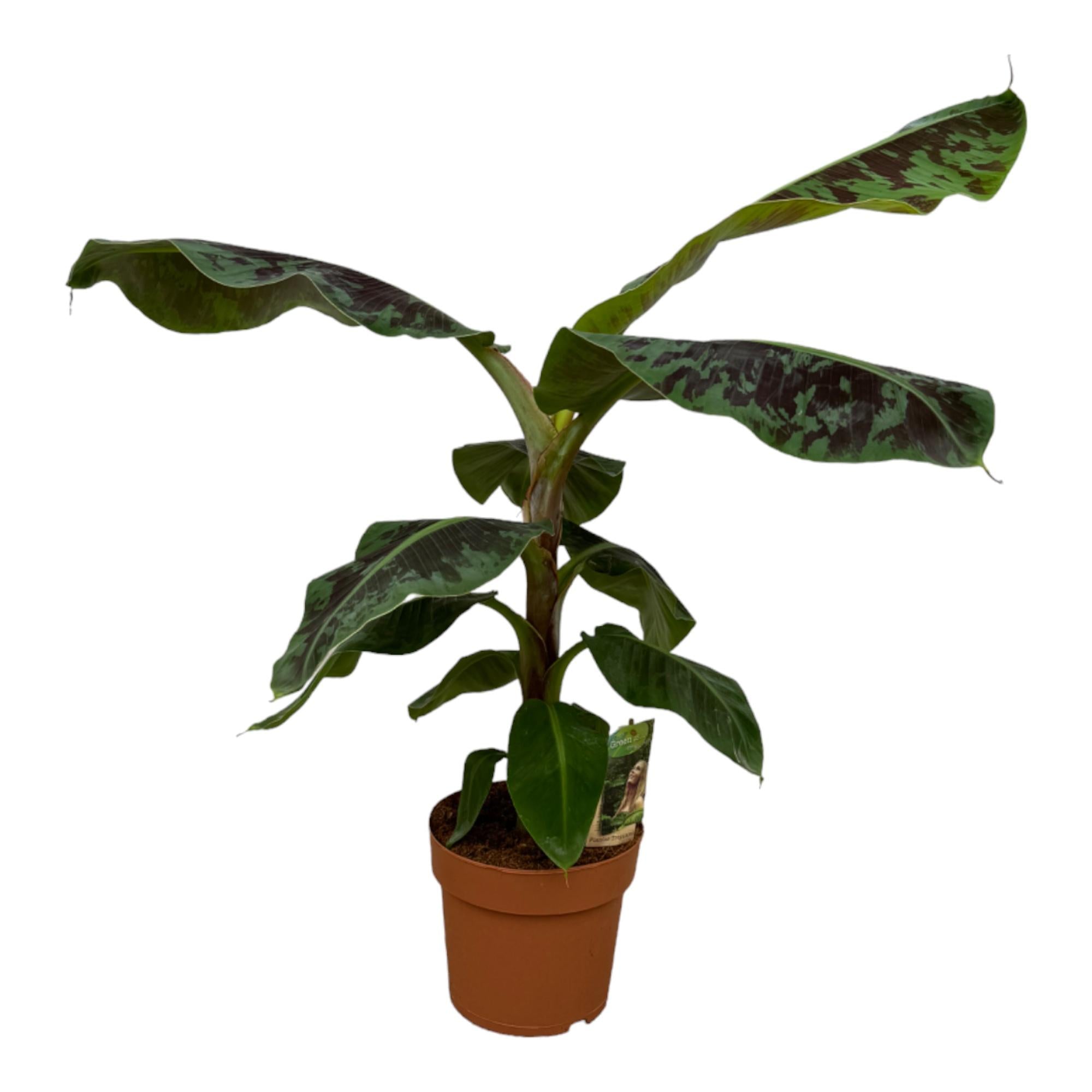
Banana tree (Musa) - Small
Banana tree- Regular price
- €29,95
- Unit price
- per
- 80 centimeters
- 19 centimeters pot diameter
- Cat-safe
- Dog-safe
